Indonesia continues export levy policy of 0 USD/MT per 1 November

01 November 2022
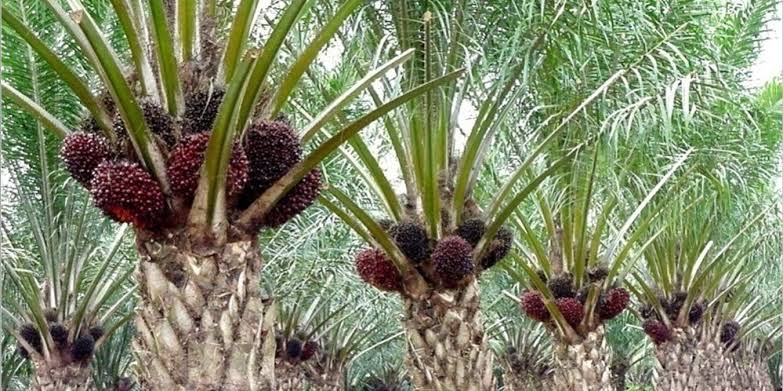
The Indonesian government has decided to continue the policy on zero USD export levy per metric ton (MT) starting November 1, 2022 at 00.00 local time. (The Indonesian Cabinet Secretariat)
The implementation of policy on zero US dollar export levy per metric ton (MT) will continue as of November 1, 2022 at midnight until the reference price for crude palm oil (CPO) is greater than 800 U.S. dollars/MT.
Jakarta (Indonesia Window) – The Indonesian government has decided to continue the policy on zero USD export levy per metric ton (MT) starting November 1, 2022 at 00.00 local time.The decision was made in a meeting of the Steering Committee of the Palm Oil Plantation Fund Management Agency, which was held on Monday (Oct. 31), led by the Coordinating Minister for the Economy Airlangga Hartarto, in a hybrid manner.This policy was implemented as the market index price (MIP) for biodiesel is lower than diesel oil’s MIP, making no biodiesel incentive payment yet. The export levy policy on zero USD/MT will be extended until the reference price for crude palm oil (CPO) is greater than 800 dollars/MT.“We maintain this incentive. The zero U.S. dollar/MT rate is extended until the reference price is greater than or equal to 800 U.S. dollars/MT. Since now the price is still around 713 U.S. dollars/MT, so the export levy rate of zero USD/MT is valid until December. But once the price rises to 800 U.S. dollars/MT, the zero U.S. dollar/MT export levy policy will not be valid,” said Airlangga, who is the Chairman of the agency’s Steering Committee.The adjustment to the export levy tariff scheme is expected to provide a fair and appropriate effect in the distribution of added value generated from the domestic palm oil industry chain. The levies taken from exports are managed and redistributed for the development of the palm oil industry smallholders.Airlangga said that the availability of funds from export levies could increase independent smallholders' access to funding sources to improve plantation productivity and bring their businesses closer to sectors that provide added value.In addition, Airlangga said, the agency’s meeting also decided to accelerate the realization of the People's Palm Oil Rejuvenation Program as well as boost the planting of intercrops on the people’s lands, which include corn, soybeans and sorghum as part of the food security program.Airlangga said that the next coordination meeting of the steering committee specifically for People's Palm Oil Rejuvenation Program will be held in mid-November to set up planning within the framework of intercrops planting in December 2022.Reporting by Indonesia WindowBagikan

Komentar
Berita Terkait

UAE committed to investing 32.7 bln USD in Indonesia
Indonesia
•
05 Nov 2021
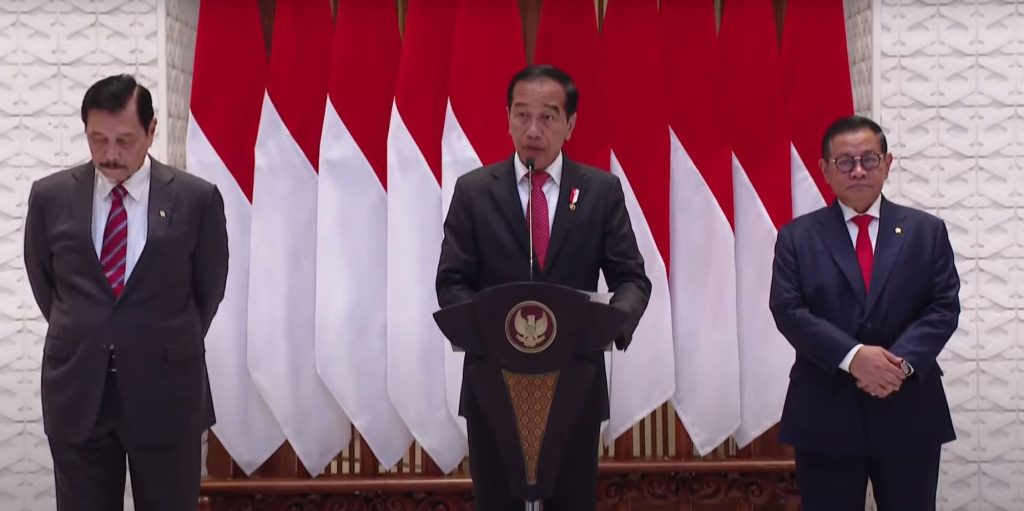
Indonesian president visits China to meet Xi Jinping’s invitation
Indonesia
•
27 Jul 2023
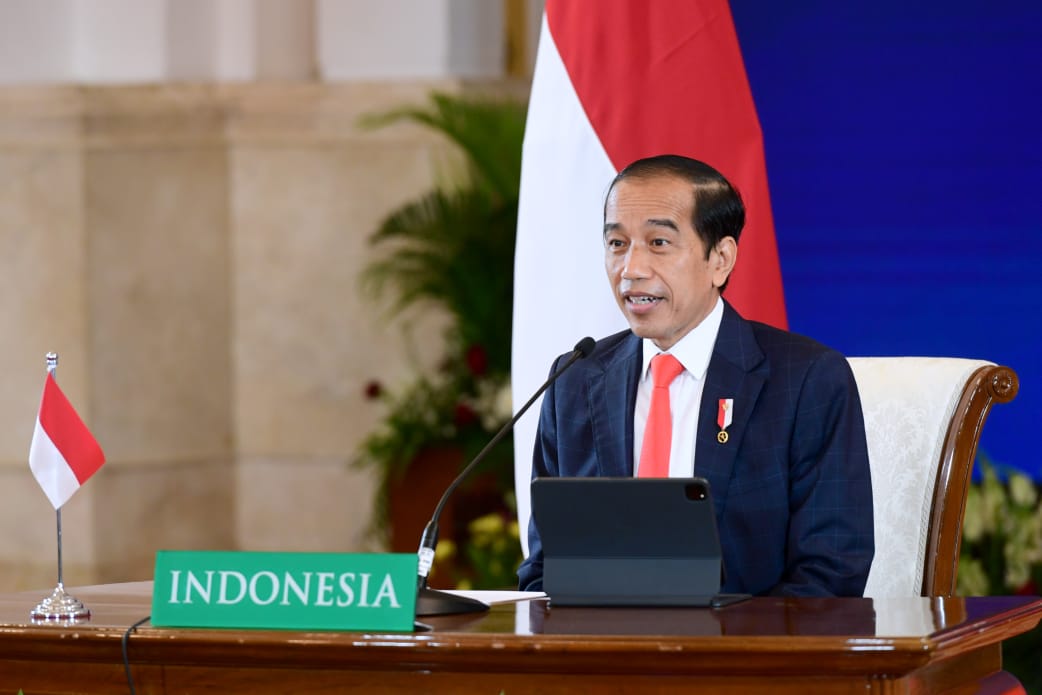
Indonesia's digital economy grows fastest in Southeast Asia
Indonesia
•
14 Apr 2021
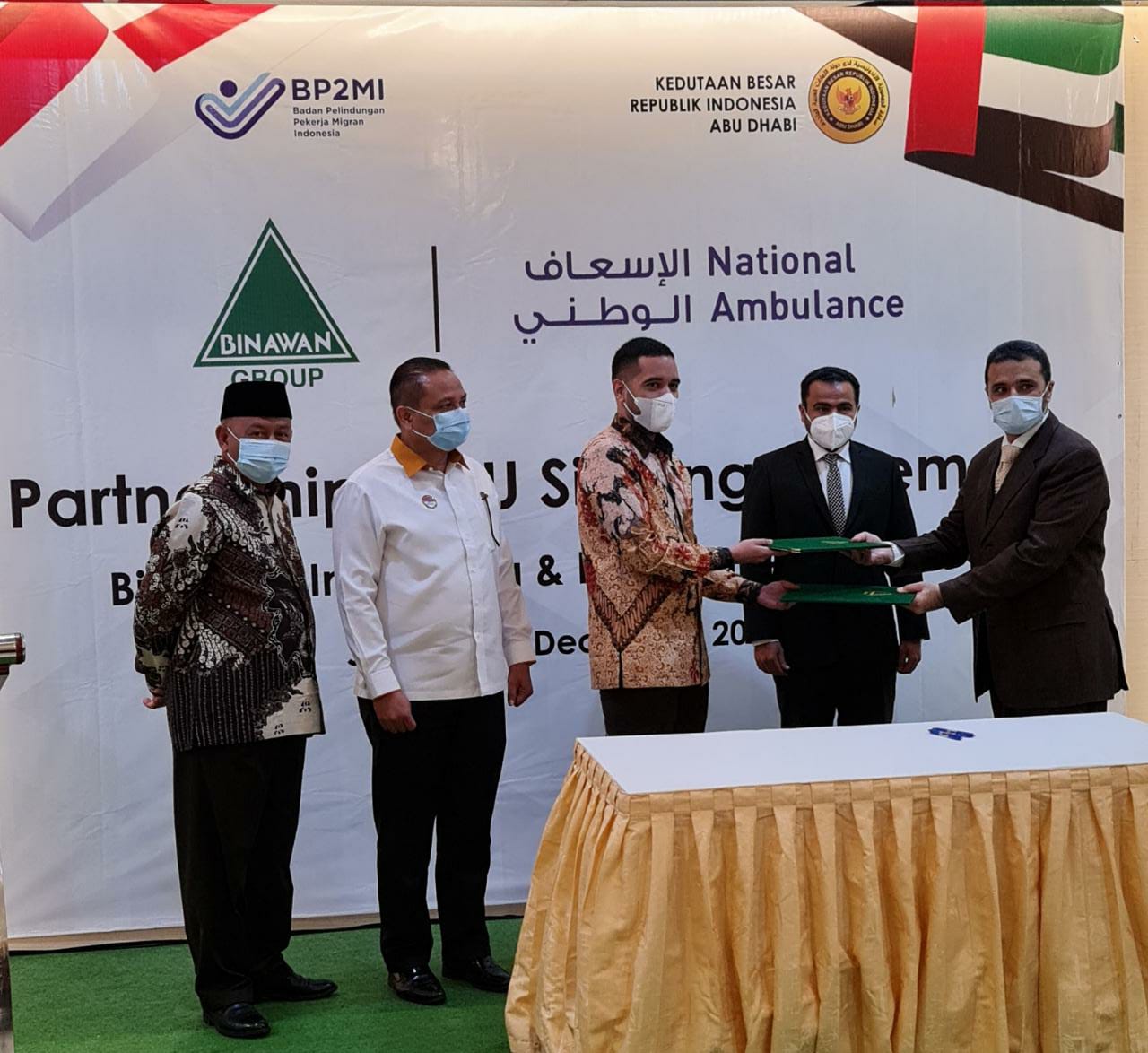
Indonesia to send more nurses to UAE under new cooperation
Indonesia
•
16 Dec 2020


Berita Terbaru

Profile – Indonesian Islamic boarding school student discovers security flaws in systems of NASA, University of Melbourne
Indonesia
•
17 Sep 2026
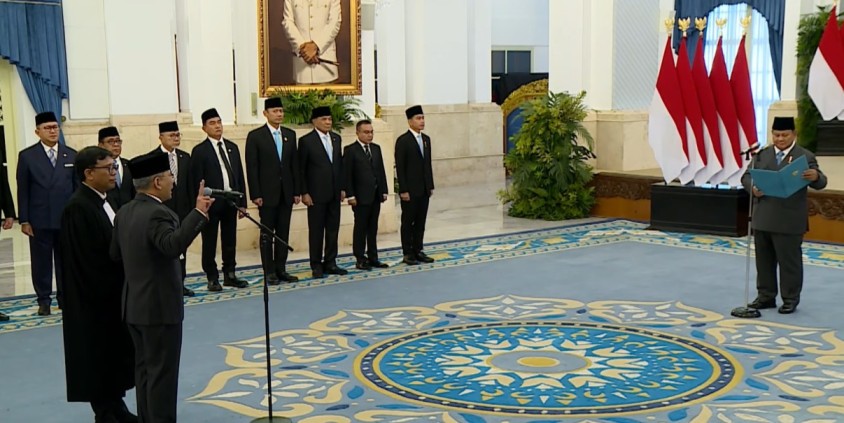
Suahasil Nazara Indonesia’s new finance minister, replacing Purbaya
Indonesia
•
14 Sep 2026
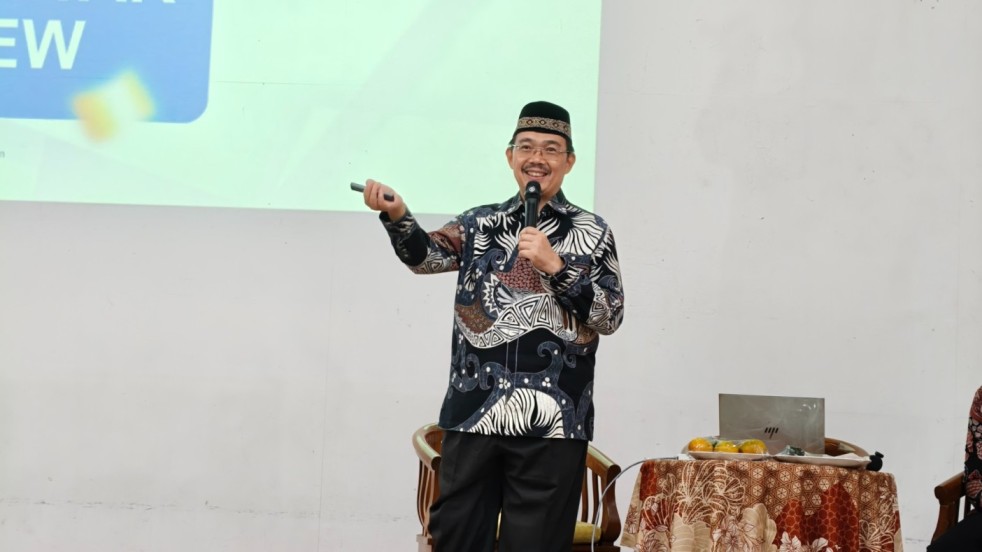
Indonesia’s professor: ‘Dhikr’ in Islam not merely verbal utterance, but matter of awareness and conduct
Indonesia
•
14 Sep 2026
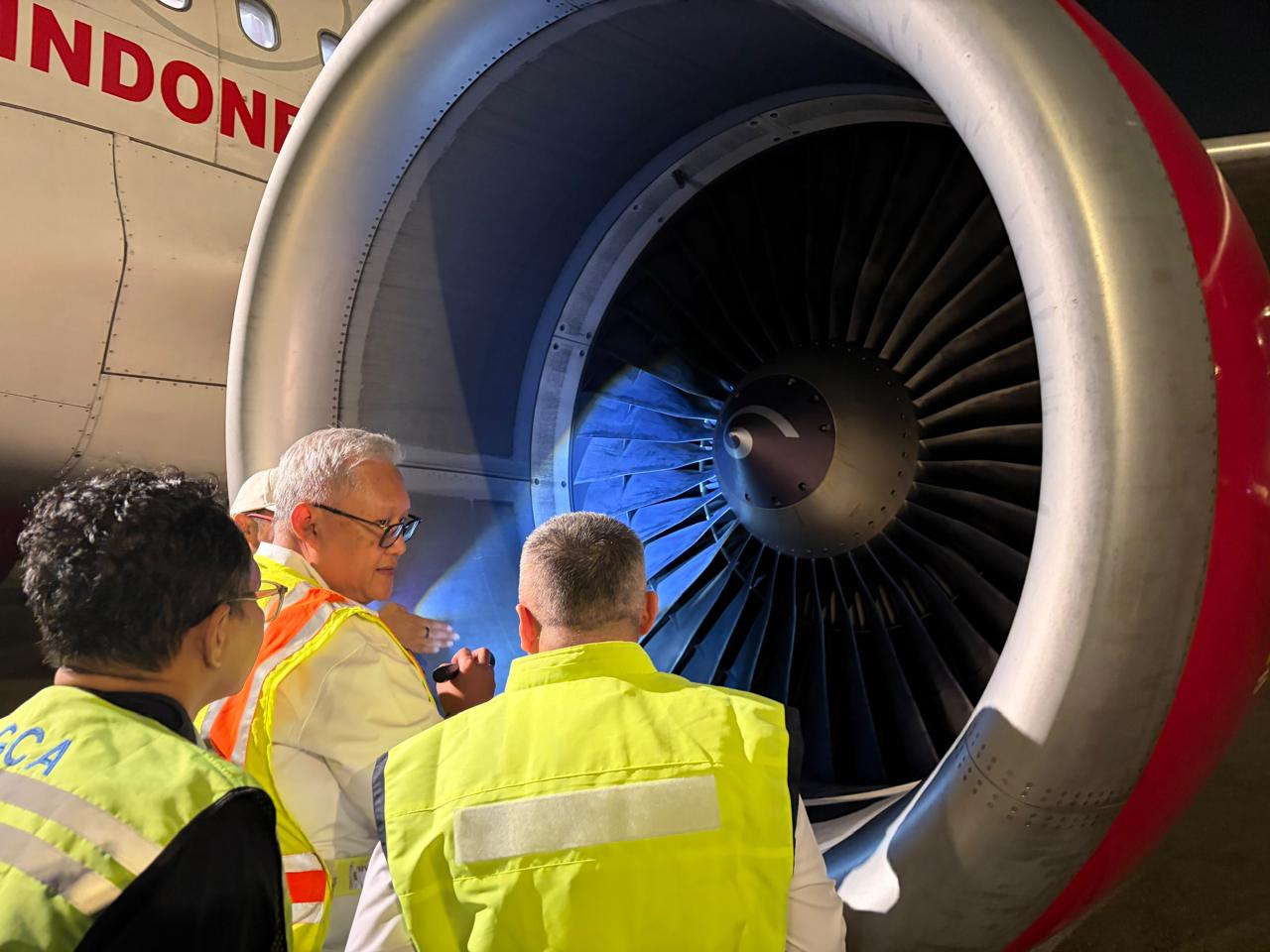
Minister: Airports affected by Mount Anak Krakatau volcanic ash reopen
Indonesia
•
08 Sep 2026