Indonesian researchers develop magnesium-based bone implants without removal surgery

19 November 2025
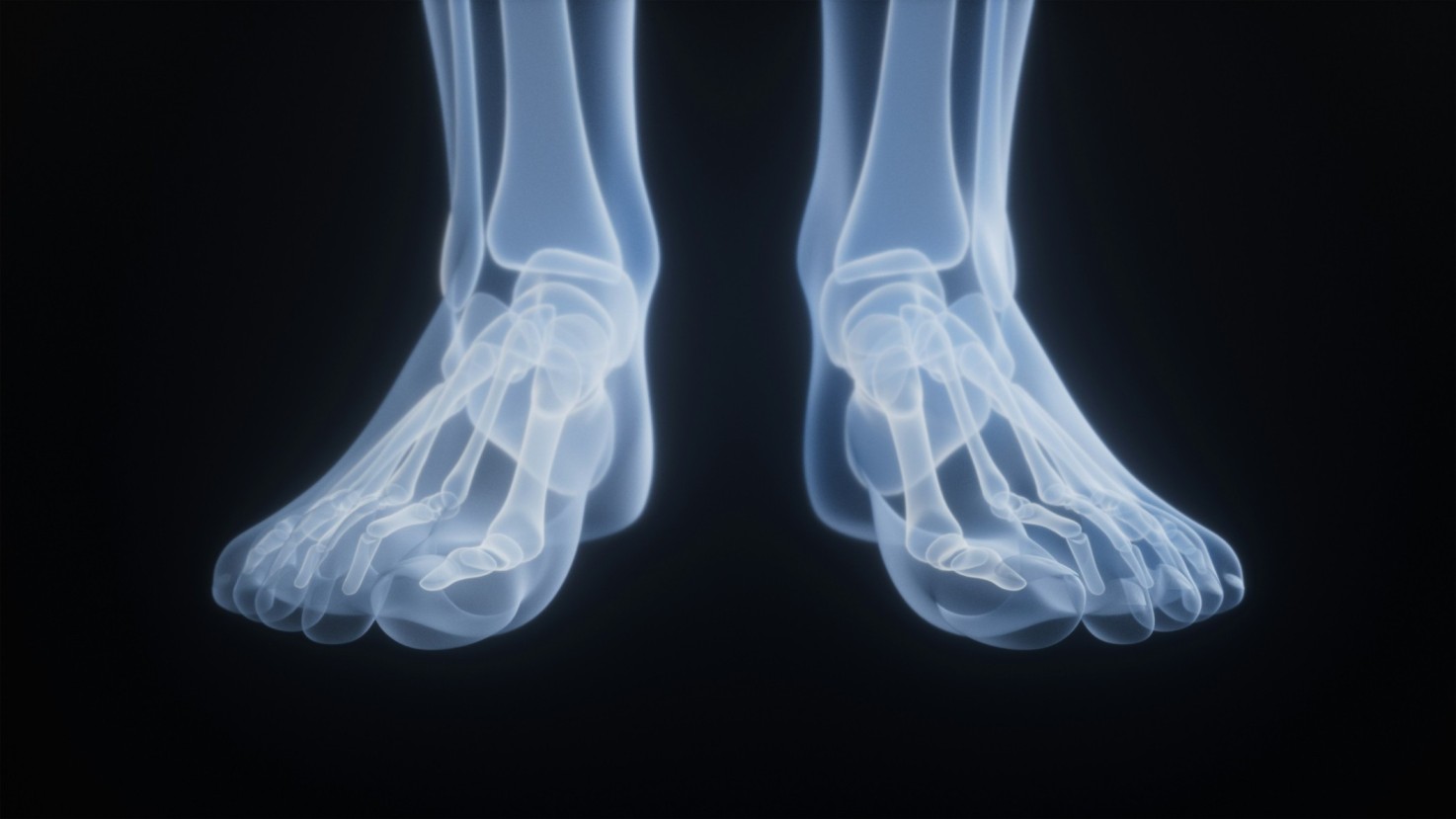
Illustration. (Rohit Choudhari on Unsplash)
Magnesium-based bone implants are considered safe because their mechanical properties are close to human bone and can be absorbed by the body as they degrade.
Jakarta (Indonesia Window) — Imagine receiving a bone implant but not needing a second surgery to remove it once healing is complete. according to the official website of Indonesia’s National Research and Innovation Agency (BRIN) on Wednesday.This is the innovation currently being developed by BRIN through research on magnesium (Mg) alloy bone implants, which are considered safer, more modern, and suitable for the needs of future orthopedic patients.A researcher at BRIN’s Metallurgy Research Center, Dr. Lutviasari Nuraini, explained that most bone implants used today are made of stainless steel, titanium, or cobalt-chromium.Although they are strong, these materials are permanent and far stiffer than human bone, potentially causing stress shielding—a condition in which the bone around the implant weakens due to uneven load distribution, Dr. Lutviasari said, adding that once the bone has healed, patients must typically undergo a second surgery to remove the implant.She noted that research trends in many countries have shifted toward biodegradable materials that can break down inside the body. Magnesium has become a leading candidate because its mechanical properties are similar to bone and it can be absorbed by the body as it degrades.However, pure magnesium has weaknesses, including a degradation rate that is too fast and the production of hydrogen gas during the corrosion process, she pointed out.To address this issue, BRIN researchers are developing a magnesium–zinc–neodymium (Mg–Zn–Nd) alloy. The addition of zinc strengthens the material structure, while neodymium improves corrosion resistance and utilizes Indonesia’s potential supply of rare-earth elements.With this composition, the team hopes to produce a material strong enough to support the healing bone while gradually degrading at a rate that matches the recovery period, without causing complications.ChallengesThe challenges in developing magnesium implants lie not only in the material but also in the manufacturing process. Liquid magnesium is highly reactive and can ignite upon contact with humid air or water vapor.Due to these risks, magnesium casting facilities in Indonesia are still very limited, and much previous research has required collaboration with foreign institutions.To overcome this, the BRIN Metallurgy Research Center formed a special working group this year and successfully carried out laboratory-scale magnesium–zinc casting trials.After successful casting, the material undergoes further processes such as heat treatment to improve grain structure, as well as mechanical processing to prepare it for forming into implant components such as plates or screws.Once produced, the magnesium alloy is tested in a simulated body fluid at 37 degrees Celsius and pH 7.4. Using various electrochemical testing methods and hydrogen evolution measurements, the team analyzes corrosion patterns and degradation behavior. The surface of the material is also examined after immersion to better understand the degradation mechanism.In addition, BRIN collaborates with the Research Center for Pharmaceutical Raw Materials and Traditional Medicine to conduct antibacterial and cytotoxicity tests to ensure the material’s safety at the cellular level before progressing to further testing.Lutviasari believed this research has significant implications for her country, especially since most orthopedic implants used in domestic hospitals are still imported.If Indonesia can fully master the casting, processing, and material testing technologies, the country has the potential to become self-sufficient in producing orthopedic implants.Currently, the material produced remains in the form of cast rods, but the team aims to develop implant prototypes, conduct animal trials, and eventually move toward clinical validation.Meanwhile, several countries such as Germany and South Korea have already commercialized magnesium implants, each using different alloy compositions.The Mg–Zn–Nd alloy developed by BRIN is expected to become an option that matches the clinical needs and mineral resources available in Indonesia.Lutviasari emphasized that this research journey is still long, but a strong foundation is already in place. If all stages—from casting, processing, and characterization to corrosion and biological testing—can be mastered, Indonesia’s chances of producing its own magnesium implants will continue to grow.With ongoing research progress, this magnesium implant innovation is expected to become a major milestone toward realizing national independence in medical device technology.Reporting by Indonesia WindowBagikan

Komentar
Berita Terkait

13 of world's seahorse species found in Indonesia, threatened by illegal trade, habitat destruction
Indonesia
•
19 May 2026

10 robots help disinfection team sterilize Makkah’s Grand Mosque
Indonesia
•
09 Jun 2021

Indonesia's oldest rocks preserved in Bayat, C Java
Indonesia
•
28 Jul 2020

Solar eclipse to cross Indonesia on December 26, 2019
Indonesia
•
12 Sep 2019


Berita Terbaru

Feature – China pioneers AI-driven education as world seeks new schooling models
Indonesia
•
23 Aug 2026

China marks National Ecology Day with solid gains in green push
Indonesia
•
17 Aug 2026

Beijing ranks among global megacities with high biodiversity levels
Indonesia
•
25 May 2026

China increasingly significant in global biodiversity conservation, says British plant charity
Indonesia
•
25 May 2026