Nyabah palm in endangered, Indonesian scientists secures genetic blueprint to save Balinese heritage

28 January 2026
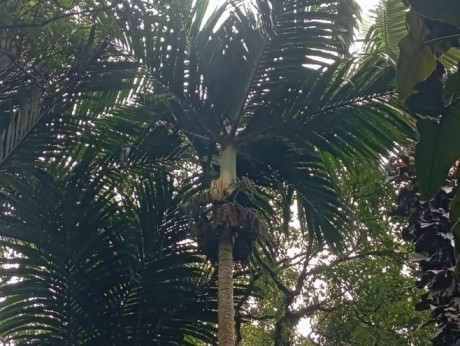
Nyabah palm (Pinanga arinasae), a palm tree endemic to Bali that has long been integral to the lives and traditions of the community, is now under threat of extinction. Its very limited natural habitat in highland areas like Bedugul and Jatiluwih makes this species even more vulnerable. (BRIN)
Nyabah palm (Pinanga arinasae), a palm tree endemic to Bali that has long been integral to the lives and traditions of the community, is now under threat of extinction.
Bogor, W Java (Indonesia Window) – Nyabah palm (Pinanga arinasae), a palm tree endemic to Bali that has long been integral to the lives and traditions of the community, is now under threat of extinction. Its very limited natural habitat in highland areas like Bedugul and Jatiluwih makes this species even more vulnerable.
Arif Priyadi, a researcher at the Applied Botany Research Center (PRBT), the Biological and Environmental Research Organization (ORHL), and the National Research and Innovation Agency (BRIN), emphasized that the nyabah palm is not just a forest plant, but an important part of Balinese culture.
"The leaves are widely used in Hindu traditional ceremonies. Furthermore, the nyabah palm also has economic value because it can be used as an ornamental plant, its young leaves are edible, and its fruit is used as a substitute for betel nut," Arief said in an interview with BRIN’s team in Bali on Monday (Jan. 26), quoted from BRIN’s website here on Wednesday.
Recognizing this urgency, BRIN has taken strategic scientific steps through genome sequencing technology. This effort is being carried out by the PRBT Plant Genetics Research Group to uncover and secure all of the nyabah palm's genetic information as a basis for long-term conservation.
According to Arief, genome sequencing is the process of reading all of the genetic information, or deoxyribonucleic acid (DNA), contained within an organism. For the nyabah palm, this research has significance beyond mere academic interest.
"This is an urgent effort to understand the biological foundations of the nyabah palm, which have not previously been thoroughly studied," he explained.
The genome sequencing process involves taking fresh leaf samples. The resulting genetic data is then annotated and deposited in the international repository GenBank under the National Center for Biotechnology Information (NCBI). This way, the genetic information of the nyabah palm can be accessed by the global scientific community.
The data can be downloaded in various standard formats, such as FASTA and GenBank, allowing other researchers to conduct further analysis or comparisons with similar species. This step makes the nyabah palm a permanent part of the global digital database.
"If one day the population of nyabah palm in the wild is truly threatened with extinction, its genetic blueprint is expected to remain as a scientific reference for potential future reintroduction," Arief said.
Another researcher, Ni Putu Sri Asih, revealed that the chloroplast genome of Pinanga arinasae has been successfully characterized and compared with other species in the Arecoideae subfamily. This finding provides an important contribution to the study of palm phylogenetics, which has so far been limited.
"The resulting molecular markers are not only cost-effective but also effective for assessing genetic diversity, supporting conservation and sustainable use," Asih said.
She hoped that reading the complete genetic information of the nyabah palm is expected to open up opportunities for further research and strengthen efforts to preserve this Balinese endemic plant for future generations.
Reporting by Indonesia Window
Bagikan

Komentar
Berita Terkait

Indonesian researchers develop LFP batteries from iron, steel industrial waste
Indonesia
•
20 Apr 2026
Two-thirds of world's wildlife population decline since 1970: WWF
Indonesia
•
11 Sep 2020
Indonesia’s Merapi expected to erupt soon: Expert
Indonesia
•
28 Oct 2020
Chinese scientists breed endangered fish species
Indonesia
•
09 May 2024


Berita Terbaru
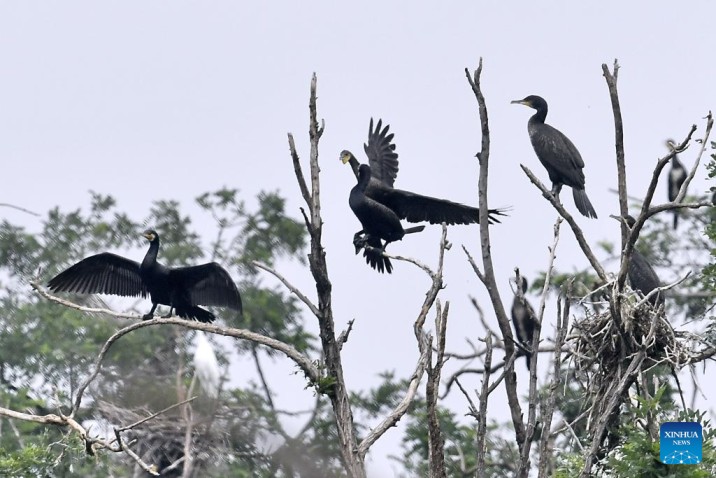
Beijing ranks among global megacities with high biodiversity levels
Indonesia
•
25 May 2026
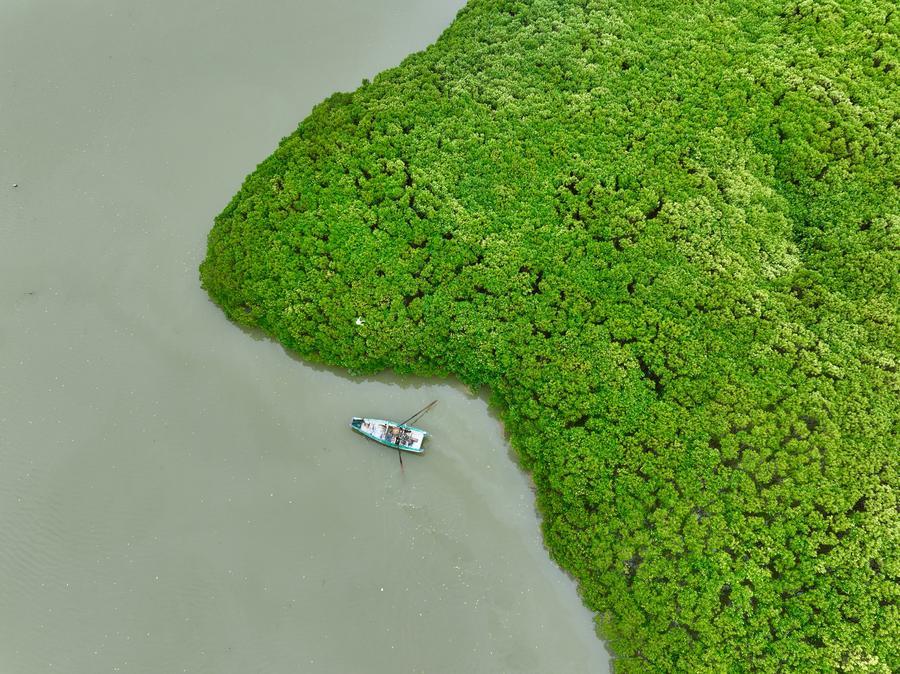
China increasingly significant in global biodiversity conservation, says British plant charity
Indonesia
•
25 May 2026
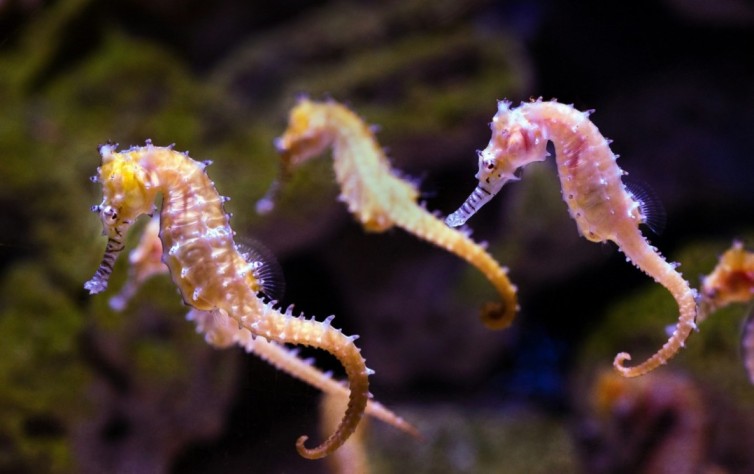
13 of world's seahorse species found in Indonesia, threatened by illegal trade, habitat destruction
Indonesia
•
19 May 2026

Feature – Humanoid robots shatter human record, showcase autonomy at Beijing half marathon
Indonesia
•
24 Apr 2026