Tourism significantly contributes to waste mound in Indonesia’s Bali

09 February 2026
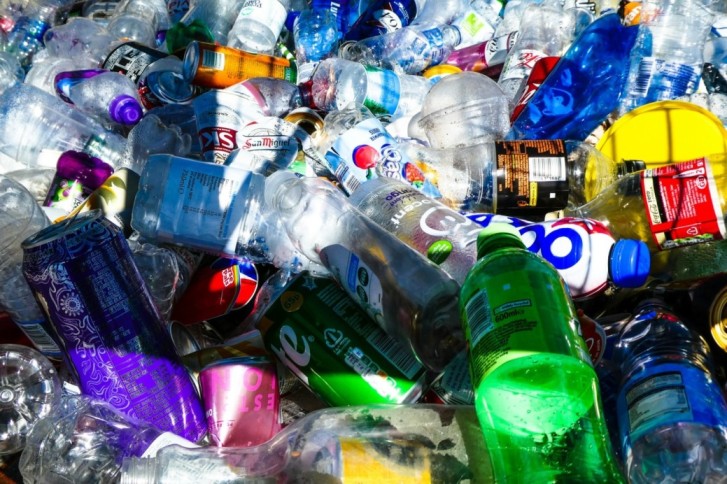
Illustration. (Nick Fewings on Unsplash)
The main challenges in tourism waste management in Indonesia are not only due to limited infrastructures but also weak databases and inconsistent waste management practices at the data sources.
Bogor, W Java (Indonesia Window) – Activities of the tourism sector have been identified as a significant contributor to the waste mound in Indonesia’s Bali tourist resort.
Several studies indicate that waste is produced not only by tourist activities, but also from operational processes within the tourism sector, including hotels, restaurants, cafes, tourist area management, and landscape maintenance.
This issue was highlighted during a Focus Group Discussion (FGD) on the study ‘Assessing Plastic Use and Pollution within the Tourism Sector in Indonesia,’ held in Denpasar, Bali, on Thursday (Feb. 5), as quoted from the website of the Indonesia’s National Research and Innovation Agency (BRIN).
The discussion formed part of a national study aimed at mapping patterns of plastic use and pollution in Indonesia’s tourism industry.
The FGD brought together a wide range of stakeholders, including researchers, representatives from ministries and government institutions, local administrations, tourism business operators, and civil society organizations.
The collaborative discussion sought to gather data and insights to strengthen waste management policies in tourist destinations.
Research Professor from the Oceanology Research Center of BRIN, M. Reza Cordova, emphasized that one of the main challenges in tourism waste management in Indonesia is not only due to limited infrastructures but also weak databases and inconsistent waste management practices at the data sources.
According to him, incomplete data makes it difficult to design targeted and effective policies.
“So far we have talked a lot about tourism waste, but the data is still partial. Without measurable and representative data, it would be difficult to design targeted policies, especially for sub-sectors such as villas, homestays, and small-scale tourism businesses, which are large in number but have not been fully recorded,” Prof. Reza noted.
During the discussion, stakeholders revealed that more than 50 percent of waste generation in Bali is concentrated in four main areas: Denpasar, Badung, Gianyar, and Tabanan. These areas serve as key tourism hubs with high density of hotels, restaurants, tourist attractions, and supporting facilities.
Organic waste continues to dominate the overall waste composition. Food scraps from hotels and restaurants, along with green waste such as leaves, twigs, and grass from garden and landscape maintenance, make up a significant portion. However, much of this organic waste is still treated as residual waste and disposed of directly in landfills.
Prof. Reza pointed out that organic waste actually holds significant potential for sustainable management if handled properly. Methods such as composting, modern ‘teba’ systems, maggot cultivation, and collaboration with local organic waste processors could substantially reduce the volume of waste ending up in landfills.
In addition to organic waste, the widespread use of single-use plastics in the tourism sector remains a major concern. Packaging for food and beverages, hotel toiletries, and disposable plastic bags are still commonly used and pose risks of environmental pollution, including marine debris.
Reporting by Indonesia Window
Bagikan

Komentar
Berita Terkait
Prabowo, Albanese talk about urea export to Australia by phone
Indonesia
•
22 Apr 2026

Business Connect enhances Indonesia-Djibouti ties
Indonesia
•
23 Nov 2019
Indonesia contributes 1 mln USD to Coalition for Epidemic Preparedness Innovations
Indonesia
•
25 Nov 2020
Indonesia Halal Lifestyle Center brings trade mission to Uzbekistan
Indonesia
•
31 May 2023


Berita Terbaru
Profile – Indonesian Islamic boarding school student discovers security flaws in systems of NASA, University of Melbourne
Indonesia
•
17 Sep 2026
Suahasil Nazara Indonesia’s new finance minister, replacing Purbaya
Indonesia
•
14 Sep 2026
Indonesia’s professor: ‘Dhikr’ in Islam not merely verbal utterance, but matter of awareness and conduct
Indonesia
•
14 Sep 2026
Minister: Airports affected by Mount Anak Krakatau volcanic ash reopen
Indonesia
•
08 Sep 2026